

Table of Contents
- Why a Consistent Horse Grooming Schedule Matters
- Building Your Daily Horse Grooming Routine
- Weekly Horse Grooming Checklist and Deep Cleaning
- How Often to Bathe a Horse and Bathing Best Practices
- Horse Grooming Schedule by Season
- Skin Checks, Hoof Care, and Mane and Tail Maintenance
- Common Mistakes to Avoid
- Frequently Asked Questions
Last Updated: October 8, 2026
Why a Consistent Horse Grooming Schedule Matters
A horse grooming schedule is the foundation of good equine care: it removes dirt, sweat, and loose hair while letting you spot skin problems, injuries, or infections early.

Horses thrive on routine: a consistent daily horse grooming routine prevents matting, reduces skin irritation, and strengthens your bond.
Building Your Daily Horse Grooming Routine
Your daily grooming routine should take 15 to 30 minutes, depending on coat condition and activity level. Grooming the same way each day trains your horse to stand still and helps you catch problems fast.
Essential Daily Tasks
Start with these core tasks every single day:
- Remove loose hair and dirt using a curry comb or shedding rake. Work in circular motions across the body to loosen debris.
- Brush the coat with a medium-bristled body brush to smooth the hair and remove remaining dust.
- Brush the mane and tail to remove tangles and loose hair.
These tasks go faster once you develop a rhythm, many riders groom while their horse eats.

Tools You'll Need
A basic toolkit:
- Curry comb, loosens dirt and dead hair
- Medium-bristled body brush, smooths the coat after currying
- Hard-bristled brush, tackles stubborn mud and sweat
The 10-Piece Horse Grooming Kit from Horsey Horse Store includes all these tools in one tote bag for $58.99, keeping everything organized and portable between barn and tack room.
Weekly Horse Grooming Checklist and Deep Cleaning
What keeps a horse maintained is a repeatable calendar organized by task frequency. Use the cadence below as your baseline, then adjust it using the guide further down.
Daily Tasks (10-30 Minutes)
- Curry and brush the full body in overlapping circles, then finish with a body brush.
- Pick all four hooves. In mud or snow, pick before and after turnout.
- Wipe the face, eyes, nostrils, and dock with a clean, damp cloth.
Weekly Tasks (45-60 Minutes, One Session)
- Deep brush the legs, belly, and sheath or udder area, the spots daily touch-ups skip.
- Wash the mane and tail if sticky or soiled; otherwise a waterless detangler and brush-out is enough.
- Inspect the skin under the tack area for rubs, white hairs, or heat, a saddle that fits in January may not fit in June.
Monthly Tasks (Add to a Weekly Session)
- Bathe if workload or coat condition calls for it (see the bathing section for frequency).
- Pull or trim the mane, tidy the bridle path, and trim fetlock and ear hair if your discipline or climate requires it.
- Deep-clean and condition leather tack and check stitching, billet straps, and stirrup leathers for wear.
Quarterly and Seasonal Tasks
- Schedule farrier visits every four to six weeks, or whatever interval your farrier recommends.
- Schedule dental and veterinary wellness checks on your veterinarian's recommended interval, typically annually for adults and more often for seniors.
- Replace worn brushes (a curry comb missing teeth or a body brush with splayed bristles does more harm than good).
Adjusting the Calendar to Your Horse
The cadence above is a starting point, not a rule. Shift it using four variables:
- Workload. A horse in daily training needs daily leg checks and post-work sweat removal; a retired pasture horse may only need a full brush-out two or three times a week plus daily hoof picking.
- Coat type and clip. A full-coated horse holds mud and sweat and needs more shedding-rake time in spring; a clipped horse in winter needs blanketing and skin checks.
- Age. Seniors need gentler brushes, more frequent skin checks, and closer attention to weight and coat condition.
A horse living out in wet weather may need hooves picked twice daily, while a clipped show horse in a dry climate may only need a full routine five days a week. The schedule serves the horse, not the other way around.
How Often to Bathe a Horse and Bathing Best Practices
Bathing is the most overdone part of grooming. The right frequency balances removing what irritates the skin (sweat, dirt, urine, fungal organisms) against preserving what protects it (the coat's natural oils and skin barrier).
Why Frequency Matters
A horse's coat carries sebum, a waxy oil that repels water, keeps the coat supple, and supports the skin's defenses. Every bath strips some of it.
The practical answer: bathe when the horse is actually dirty or sweaty enough to need it, not on a fixed calendar. For most horses in light to moderate work, that is roughly every four to eight weeks during riding season, with spot-cleaning in between.
Frequency by Activity Level and Conditions
- Light work, trail riding, dry climate: Every 8-12 weeks. Rinse sweat off after hard rides with plain water and a sweat scraper rather than a full shampoo bath.
- Regular schooling or lessons: Every 4-6 weeks, plus a rinse after any ride where the horse has sweated through the coat.
- Heavy work or competition: Every 2-4 weeks, with post-work rinses in between. Show horses are often bathed more often during a show week, so conditioning the coat and using a gentle shampoo matters.
Safe Washing and Drying
- Use lukewarm water. Cold water does not lift dirt or sweat well; hot water strips oils and can scald skin.
- Wet the coat thoroughly before applying shampoo. Shampoo on a dry coat does not lather evenly and is harder to rinse out.
- Use a horse-specific shampoo. Human shampoo and dish soap strip the coat; for a diagnosed skin condition, use the medicated shampoo your veterinarian recommends.
- Work from the neck back, and keep water out of the ears and eyes. A sponge or low-pressure nozzle is safer around the face than a direct spray.
- Rinse until the water runs completely clear. Shampoo residue is a common cause of post-bath itching and dullness, and rinsing takes longer than people expect.
- Remove excess water with a sweat scraper, then towel-dry the legs and face.
- Dry the horse fully before turnout, especially in cool or wet weather. A wet horse turned out in cold wind can chill quickly; in warm, dry weather, walking in the sun is the fastest safe way to dry the coat.
Spot-Cleaning: The Middle Ground
Most days, a full bath is overkill. A bucket of warm water, a sponge, and a towel handle sweat marks, urine stains, and mud in a fraction of the time, keeping the horse clean without stripping the coat, the routine most busy owners actually stick to.
When to Skip the Bath and Call Your Veterinarian Instead
A bath is not the right response to every skin problem. Contact your veterinarian if you see:
- Rapidly spreading hair loss, crusting, or open sores that do not improve with cleaning.
- A foul smell or discharge from the skin, which can indicate a bacterial infection.
- Swelling, heat, or lameness in a leg, a veterinary issue, not a grooming one.
When in doubt, clean the area gently, keep it dry, and call your veterinarian. Guessing with over-the-counter products can delay treatment and make things worse.
Horse Grooming Schedule by Season
Your horse grooming schedule by season changes as your horse's coat grows and sheds, with spring and fall requiring extra attention during coat transitions.

Spring and Summer Adjustments
Spring brings shedding. Your daily routine should include:
- Extra shedding rake use, sometimes 10 to 15 minutes per session at peak shedding
- More frequent bathing, every 3 to 4 weeks to manage loose hair and sweat
- Increased hoof care, muddy spring pastures mean more debris
Summer grooming focuses on keeping your horse cool. Clip heavy coats if your horse works hard, and bathe after sweaty rides to prevent skin irritation.
Fall and Winter Adjustments
Fall transitions bring new challenges:
- Reduce bathing frequency, every 6 to 8 weeks to preserve natural oils
- Allow the winter coat to grow, don't clip unless necessary
- More frequent hoof picking, wet, muddy conditions persist
Winter grooming is gentler: remove mud and sweat without over-bathing. A daily horse grooming routine in winter takes 20 to 30 minutes around a thicker coat.
8-Piece Horse Grooming Box Kit →
Skin Checks, Hoof Care, and Mane and Tail Maintenance
Grooming is your best defense against skin problems, hoof disease, and coat damage.
Preventing Skin Irritation and Detecting Problems
Check your horse's skin daily for:
- Rashes or bumps, signs of allergies, fungal infection, or parasites
- Scabs or sores, often caused by tack rubbing or insect bites
- Hair loss, indicates scratching from irritation
Catch problems early. A small rash treated immediately stays small. Ignored, it spreads quickly.
Hoof Picking and Inspection
Pick hooves at least once daily, ideally twice in heavy work or muddy conditions:
- Pick from heel to toe on each side of the frog
- Remove all packed mud and debris
- Look for thrush, black, crumbly material with a foul smell
- Check for cracks or bruising in the sole
- Feel for heat or swelling around the coronet band
Poor hoof care leads to lameness and expensive veterinary bills.
Mane and Tail Care
Your horse's mane and tail need regular attention:
- Brush gently to remove tangles and loose hair, never pull hard
- Wash weekly in heavy work or dusty conditions
- Use a detangler spray to reduce breakage
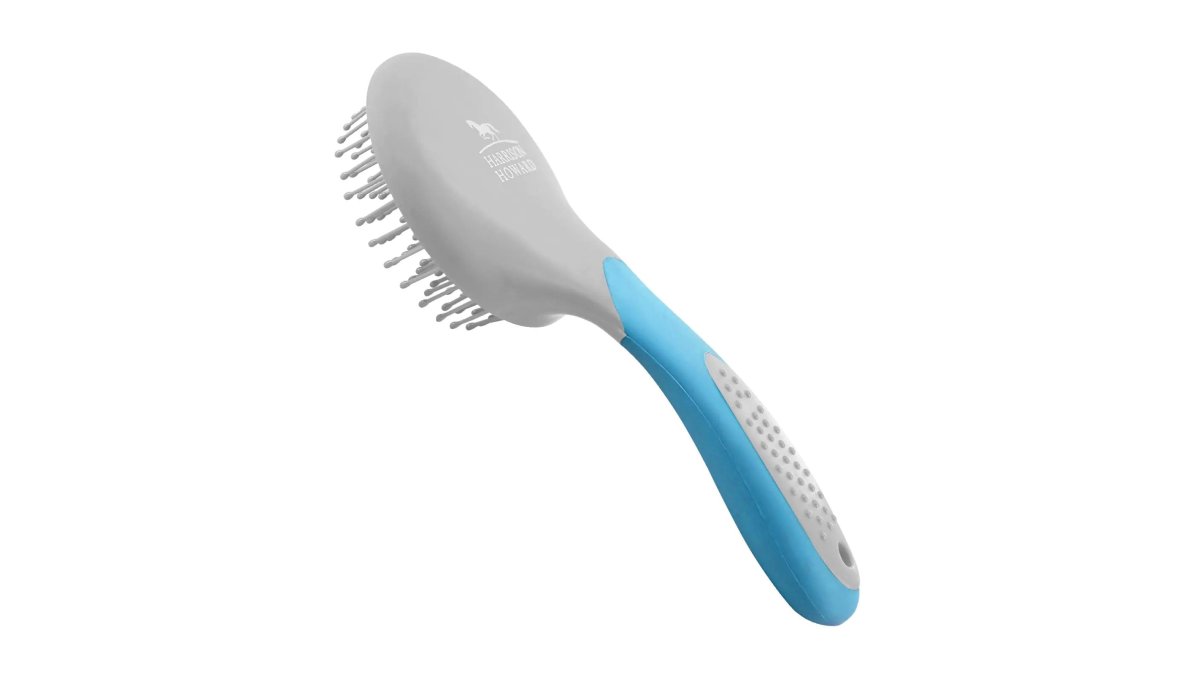
The Harrison Howard Mane and Tail Brush at Horsey Horse Store ($41.99) is designed for detangling without breakage, making mane and tail maintenance faster and less stressful for your horse.
Common Mistakes to Avoid
Even experienced riders fall into grooming traps:
Skipping daily grooming because you're busy. A quick 10-minute session beats nothing; consistency matters more than duration.
Bathing too frequently. Overwashing strips natural oils and dries out the coat.
Ignoring small skin issues. A tiny rash today becomes a major problem in two weeks.
Not picking hooves regularly. Muddy hooves hide serious problems. Pick daily, no exceptions.
Grooming only before riding. Post-ride grooming removes sweat and dirt and prevents skin irritation.
Forgetting the legs and belly. These areas collect mud and debris, so include them daily.
Maintaining a horse grooming schedule takes discipline, but the payoff is enormous: you'll catch problems early, prevent costly veterinary visits, and strengthen your bond through consistent daily care.
Start with daily brushing, hoof picking, and quick skin checks, then add weekly deep cleaning and seasonal adjustments. Keep your tools organized and accessible, the 8-Piece Horse Grooming Box Kit from Horsey Horse Store ($190.99) stores everything in one place.
| Grooming Task | Frequency | Time Required | Best Tools |
|---|---|---|---|
| Remove loose hair and dirt | Daily | 5-10 minutes | Curry comb, body brush |
| Pick hooves | Daily (2x in mud) | 5 minutes | Hoof pick |
| Brush mane and tail | Daily | 5 minutes | Mane brush, detangler |
| Deep brushing | Weekly | 15-20 minutes | Multiple brushes |
| Bathe | Every 4-8 weeks | 30-45 minutes | Shampoo, sweat scraper |
| Skin inspection | Daily | 2-3 minutes | Hands, eyes |
| Seasonal coat management | Seasonal | 10-15 minutes | Shedding rake, clippers |
Frequently Asked Questions
How often should you groom a horse?
Most horses benefit from daily grooming, especially if they are ridden regularly or live in a pasture. Daily grooming removes sweat, dirt, and loose hair while allowing you to check for skin irritation or injuries. Horses that are stalled or used for light work may need less frequent grooming, but at minimum, groom before and after riding. Establish a horse grooming schedule that fits your horse's workload, living conditions, and coat type.
What should be included in a daily horse grooming routine?
A daily horse grooming routine should include picking out hooves, removing mud and loose hair with a body brush, checking the coat for sweat or irritation, and inspecting the legs and body for cuts or bumps. If your horse has been ridden or worked, use a sweat scraper to remove moisture and prevent skin issues. Spend 15 to 30 minutes on daily grooming depending on your horse's coat and activity level. This foundation keeps your horse clean and helps you catch health problems early.
How often should you bathe a horse?
Bathe your horse every 4 to 6 weeks during the riding season, or less frequently during winter when temperatures are cold. Horses that are shown, heavily ridden, or live in muddy conditions may need bathing every 2 to 4 weeks. Avoid bathing too often, as frequent washing strips natural oils from the coat and can cause dryness and irritation. Always bathe in warm or mild temperatures and allow adequate drying time to prevent chilling and skin problems.
How do you adjust a horse grooming schedule for different seasons?
In spring and summer, increase grooming frequency to manage shedding and heat buildup. Use a shedding rake to remove loose winter coat and brush more thoroughly to keep your horse cool. In fall and winter, focus on maintaining the growing winter coat and managing mud from wet pastures. Use a body brush to distribute natural oils and provide insulation. Adjust bathing frequency based on temperature, bathe less often in winter to avoid chilling. Tailor your horse grooming schedule by season to match your horse's changing needs and coat growth.