

Table of Contents
- Quick Comparison: Top Everyday Horse Riding Accessories
- Horse Riding Safety Gear Checklist: Helmets, Vests, and Gloves
- Essential Horse Grooming Supplies for Every Barn
- Riding Apparel: Boots, Breeches, and Half Chaps
- How to Fit a Saddle Correctly: Saddles, Pads, and Tack Accessories
- Budget vs. Professional-Grade Accessories: What to Spend On
- Frequently Asked Questions
Last Updated: September 10, 2026
Quick Comparison: Top Everyday Horse Riding Accessories
The best everyday horse riding accessories earn their keep daily: a certified helmet, gloves, grooming tools, boots, breeches, and a washable saddle pad. These essentials cover safety, grooming, and comfort for daily schooling and trail prep.
| Accessory | Price | Best For | Why It Matters Daily |
|---|---|---|---|
| Equestrian Helmet and Gloves Set | $116.99 | Riders wanting safety gear in one purchase | Helmet and gloves covered together |
| OutdoorMaster Helmet with Sun Visor | $69.99 | Trail riders in bright sun | Ventilation and visor coverage |
| IRH Equi-Pro Riding Helmet | $100.99 | Daily schooling | Washable liner, rear and side vents |
| Equestrian Riding Gloves | $25.03 | Budget-conscious riders | Grip and rein feel |
| FARRIS Flexgrip Riding Gloves | $199.99 | Serious daily training | Padded, breathable mesh, reinforced thumbs |
| HORZE Amara Half Chaps | $39.99 | Paddock boot wearers | Leg contact without tall boot cost |
| Equestrian Riding Leggings with Knee Pads | $150.28 | Adult and youth riders | Knee grip and stretch |
| FitsT4 Full Seat Riding Tights | $89.99 | Schooling in the saddle | Silicon full seat grip |
| Thigh Bag for Horse Riding | $42.99 | Trail riders | Hands-free phone and keys |
| Leg Pouch Bag, Black Camo | $36.99 | Long trail days | Expandable storage |
Most riders find a helmet, gloves, a hoof pick, and a well-fitted saddle pad cover daily needs.

Horse Riding Safety Gear Checklist: Helmets, Vests, and Gloves
A complete horse riding safety gear checklist starts with three items: an ASTM/SEI certified helmet, riding gloves, and a safety vest for high-risk work. Everything else can be replaced. You cannot.
Helmets That Meet ASTM/SEI Standards
ASTM/SEI certification means the helmet passed impact testing under the ASTM F1163 standard and was certified by the Safety Equipment Institute (astm.org). A helmet without that stamp is decoration.
The ASTM F1163 helmet standard overview covers impact absorption, retention system strength, and coverage area for equestrian headgear. Replace any helmet after a fall, even if it looks intact.
Three options worth considering:
- OutdoorMaster Equestrian Helmet with Sun Visor ($69.99): Excellent ventilation and a visor for trail riders. Best for warm-weather schooling.
- IRH Equi-Pro Riding Helmet ($100.99): Ergonomic shape, washable liner, rear and side ventilation. A strong daily driver.
- Equestrian Helmet and Gloves Set ($116.99): Bundles a certified helmet with a pair of riding gloves, which saves a separate purchase.
Gloves and Safety Vests for Daily Training
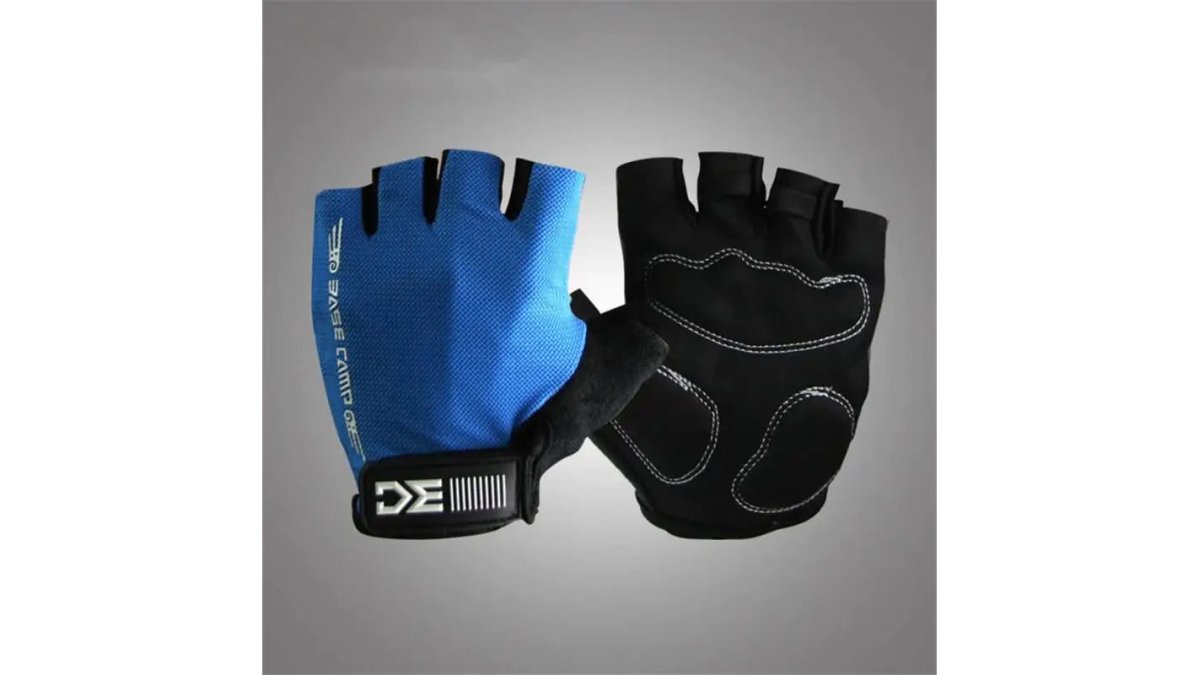
Gloves protect your hands from rein burn and give consistent rein feel. The Equestrian Riding Gloves ($25.03) come in blue, grey, and red and hold up to daily barn work. For serious hours, the FARRIS Flexgrip Riding Gloves ($199.99) add breathable mesh and reinforced thumbs and fingers.

A safety vest matters most for ground work, young horses, and trail riding near traffic. Look for one rated to a recognized body protector standard, and check the fit over your heaviest winter layers.
Essential Horse Grooming Supplies for Every Barn
Essential horse grooming supplies fit in one tote: a curry, a stiff brush, a soft finishing brush, a hoof pick, a mane and tail brush, and a grooming mitt. Add a sweat scraper for summer. What separates a kit that lasts from one you replace every season is knowing what each tool does, when it wears out, and how your climate changes the answer.
Grooming Mitts, Hoof Picks, and Brushes
A common mistake is buying six brushes and no hoof pick. Pick the feet first, every time, before brushing anything else. Dirt packed in the hoof is where thrush starts, and thrush is cheaper to prevent than treat.
The working order most experienced grooms follow:
- Hoof pick, all four feet, working from heel to toe
- Curry comb in circles to lift dirt and loose hair
- Stiff brush to remove what the curry lifted
- Grooming mitt or soft brush for the face and finishing
- Mane and tail brush, working from the ends upward
What each tool does, and when it's done:
- Hoof pick: The pointed tip clears the sole and the cleft of the frog; a pick with a stiff brush on the handle knocks off the last of the dirt in one motion. Replace when the tip rounds off and stops reaching the frog.
- Curry comb: Rubber curries lift dust and loose hair without scraping skin; metal curries are for caked mud on the body only, never the face or legs. A rubber curry lasts years.
- Stiff brush (dandy brush): Removes what the curry lifted. Natural bristle lasts longer but must dry fully between uses; synthetic dries faster and tolerates being left damp.
- Soft finishing brush: Brings up shine and removes fine dust. It touches the face, so keep it clean and separate from the body brush.
- Grooming mitt: The most underrated item. It removes fine dust, brings up shine, and doubles as a massage tool your horse will lean into.
- Mane and tail brush: Work from the ends upward, never roots down, or you'll rip hair out at the dock. A wide-tooth comb plus detangler does less damage than a stiff brush on a tangled tail.
- Sweat scraper: Non-negotiable in humid summers. Scrape the neck, shoulders, and hindquarters after a hose-down so the horse dries without staying wet against the skin.
A practical replacement rhythm: hoof picks and grooming mitts every season, stiff and soft brushes every one to two years, and curries almost never. Wash natural-bristle brushes in mild soap, rinse, and dry bristle-down.
Barn Totes and Storage for Grooming Kits
A barn tote keeps your kit together so you aren't hunting for a hoof pick in the dark. Look for a rigid base, ventilated sides so wet brushes dry, and an external pocket for hoof oil and fly spray.
A tote that traps moisture grows mildew on natural-bristle brushes within a week. Ventilation matters more than capacity: mesh panels or grommeted drain holes beat a sealed plastic tub in a humid climate.
Climate Changes the Kit
The same tote works everywhere, but the contents should shift with the season:
- Humid summers: Prioritize a sweat scraper, a second set of brushes so one dries while the other is in use, and a fly spray you like the smell of, since you'll use it daily. Store brushes bristle-down in open air.
- Cold winters: Mud is the enemy, not sweat. A stiff brush and curry do most of the work, and a hoof pick earns its keep twice a day when turnout is wet. Keep a towel for drying legs before picking feet, since ice packed in a hoof is a real winter problem.
- Dry, dusty climates: A grooming mitt and soft brush matter more than a curry, since the goal is fine dust, not caked mud. Rinse and dry brushes more often, because dust settles into the bristle base.
Grooming Tools and Supplies
Pair a grooming mitt with a hoof pick you keep on your person, not in the tote, so feet get picked before the horse leaves the stall.
Riding Apparel: Boots, Breeches, and Half Chaps
Riding apparel comes down to one question: tall boots or paddock boots with half chaps? For daily schooling, paddock boots and half chaps win on cost, comfort, and drying speed after a muddy session.
Paddock Boots and Half Chaps for Comfort
Paddock boots need a smooth sole with a defined heel. A deep tread catches in the stirrup, a genuine safety problem, not a style preference.
The HORZE Amara Half Chaps ($39.99) in black synthetic leather zip over paddock boots and give the leg contact of a tall boot at a fraction of the cost. Size them against the product chart, because a half chap that bunches behind the knee rubs within an hour.
Breeches and Riding Tights for Daily Schooling
Riding tights have largely replaced traditional breeches for daily schooling: they stretch, breathe, and lack seams in places that rub.
The FitsT4 Full Seat Riding Tights ($89.99) use a silicon full seat grip, which helps most in a smooth-saddle discipline. The Equestrian Riding Leggings with Knee Pads ($150.28) come in adult and child sizes, a practical pick for families outfitting multiple riders.

For trail days, a Thigh Bag ($42.99) or the Leg Pouch Bag in Black Camo ($36.99) keeps your phone, keys, and a hoof pick on your leg instead of a bouncing pocket.
How to Fit a Saddle Correctly: Saddles, Pads, and Tack Accessories
Knowing how to fit a saddle correctly is the difference between a horse that moves freely and one that develops a sore back. The saddle must clear the withers, sit level, and distribute weight without bridging or rocking.
Saddle Pads That Stay Put and Wash Well
A saddle pad does three jobs: cushion, wick sweat, and keep the saddle clean. It should not change the fit of a well-fitted saddle.
Shoppers ask constantly whether pads shrink after one wash. Look for quilted stitching that runs through the full thickness rather than spot-tacked, wash in cold water on a gentle cycle, and air dry. Heat kills them, not water.
Checking Saddle Fit for Your Horse's Build
Run this check before every ride in the first month of a new saddle:
- Slide your hand under the front of the saddle. You should feel two to three fingers of clearance over the withers.
- Look at the saddle from the side. The lowest point should be the middle of the seat, not the cantle.
- Press down on the seat and watch the back. The panels should make even contact, with no bridging in the middle.
- Check the gullet channel. You need at least two fingers of clearance on each side of the spine.
- Girth up and walk the horse. Watch for pinned ears, tail swishing, or a shortened stride.
If any of those checks fail, the saddle is the problem, not the pad.
Budget vs. Professional-Grade Accessories: What to Spend On
Spend on the items between you and the ground; save on everything else. That framework only helps once you know which tier each item belongs in and what the extra money actually buys.
The Three Tiers
Everyday gear falls into three tiers:
- Entry tier: Gets the job done for light, occasional use. Fine for a rider schooling once or twice a week, or a growing child who will outgrow the item before it wears out.
- Mid tier: The sweet spot for most daily riders. Better materials, better fit, and a longer replacement cycle that usually pays for the price difference within a year.
- Professional tier: Built for riders logging hours daily, competing, or working with young or unpredictable horses. The premium buys durability, precision fit, and fatigue-reducing features.
The mistake beginners make is buying entry-tier safety gear and professional-tier grooming tools. That's backwards.
Where the Money Actually Goes
| Category | Tier That Makes Sense for Daily Use | What the Upgrade Buys | Replacement Cycle |
|---|---|---|---|
| Helmet | Mid to professional | Certification, fit precision, ventilation, washable liner | Replace after any impact, and every few years regardless |
| Gloves | Entry to mid | Grip material, seam placement, breathability | One to two seasons with daily use |
| Grooming tools | Entry to mid | Bristle quality, handle durability | Brushes one to two years, curries much longer |
| Boots and half chaps | Mid to professional | Sole safety, fit, water resistance | Two to four years with care |
| Breeches and tights | Mid | Grip level, seam placement, stretch recovery | One to two years with frequent washing |
| Saddle pads | Entry to mid | Wash durability, sweat wicking, fit | One to two years |
Two patterns worth internalizing. First, safety gear is the one category where the entry tier is a false economy: the difference between a certified helmet and an uncertified one is protection, not comfort. Second, grooming tools and totes have a short lifespan regardless of price.
The Certification Question
When a helmet claims certification, the claim should point to a recognized standard. In the United States, equestrian helmets are commonly tested to ASTM F1163 and certified by the Safety Equipment Institute, hence the ASTM/SEI mark on compliant headgear. A helmet without that mark is decoration, whatever it costs.
Body protectors follow similar logic. Look for a vest rated to a recognized body protector standard rather than a generic "impact foam" claim, and check the fit over your heaviest winter layers, because a vest that fits in July may not close in January.
ASTM F1163 helmet standard overview
Climate and Sustainability: Two Angles Most Lists Skip
In humid climates, prioritize breathable mesh gloves and ventilated helmets, and dry grooming brushes in open air. In cold climates, size half chaps and boots over winter layers, and choose a helmet with a washable removable liner. On sustainability, natural-bristle brushes and leather goods last longer and biodegrade but need conditioning; synthetics like the Amara half chaps need almost no care and survive repeated wet-dry cycles, often the greener choice because you replace them less often. The most sustainable accessory is the one you don't buy twice.
Frequently Asked Questions
What are the most essential horse riding accessories for everyday use?
Everyday riders need a certified helmet, riding gloves, paddock boots, breeches or riding tights, and a basic grooming kit with a hoof pick, brush, and grooming mitt. Saddle pads and half chaps round out the list. These horse riding accessories cover safety, comfort, and daily horse care without overbuying gear you will rarely use.
What safety gear should be on a horse riding safety gear checklist?
Start with an ASTM/SEI certified helmet, then add riding gloves with reinforced fingers, a safety vest for trail riding, and boots with a smooth sole and low heel to prevent stirrup hang-ups. Replace your helmet after any fall or every five years, whichever comes first.
How do I choose the right everyday riding accessories?
Match each item to how often you ride and in what conditions. Daily schooling calls for breathable, moisture-wicking breeches and durable half chaps. Trail riders benefit from a thigh bag for carrying essentials. Prioritize fit and safety certifications over brand names, and replace worn gloves or stretched helmet liners promptly.
What are the most essential grooming accessories for everyday use?
A hoof pick, stiff-bristle brush, soft finishing brush, curry comb, and grooming mitt handle most daily needs. Add a mane and tail brush and a barn tote to keep everything organized. These essential horse grooming supplies should be cleaned after each use and stored somewhere dry to prevent mildew and bristle breakdown.
How do I know if my saddle fits my horse correctly?
Check for even pressure along the panels, at least two fingers of clearance at the withers, and no bridging or rocking when the saddle sits on the back. Watch for dry spots after riding, which indicate pressure points. A saddle that shifts side to side or lifts at the back needs adjustment or a different tree width.